Fragrance Oil Safety: IFRA Usage Rates Explained
Every fragrance oil has a maximum safe percentage — and it’s different for candles, soap, and lotion. The IFRA certificate tells you exactly what those limits are. This guide shows you what IFRA is, where to find the certificate, and how to read it like a pro, so you never guess at fragrance safety again.
What IFRA is and why it exists
IFRA — the International Fragrance Association — is the global body that sets safety standards for fragrance materials. Its standards are built on safety assessments by an independent panel of experts at the Research Institute for Fragrance Materials (RIFM), and they’re enforced by the IFRA Scientific Committee.
Why does this matter to you? Some fragrance ingredients can cause skin sensitization (allergic reactions) at high concentrations. IFRA’s standards limit how much of a given fragrance can go into each type of product, based on how that product contacts the body. A candle you never touch gets a very different limit than a lotion you rub into your skin every day.
The IFRA certificate: what it is and where to find it
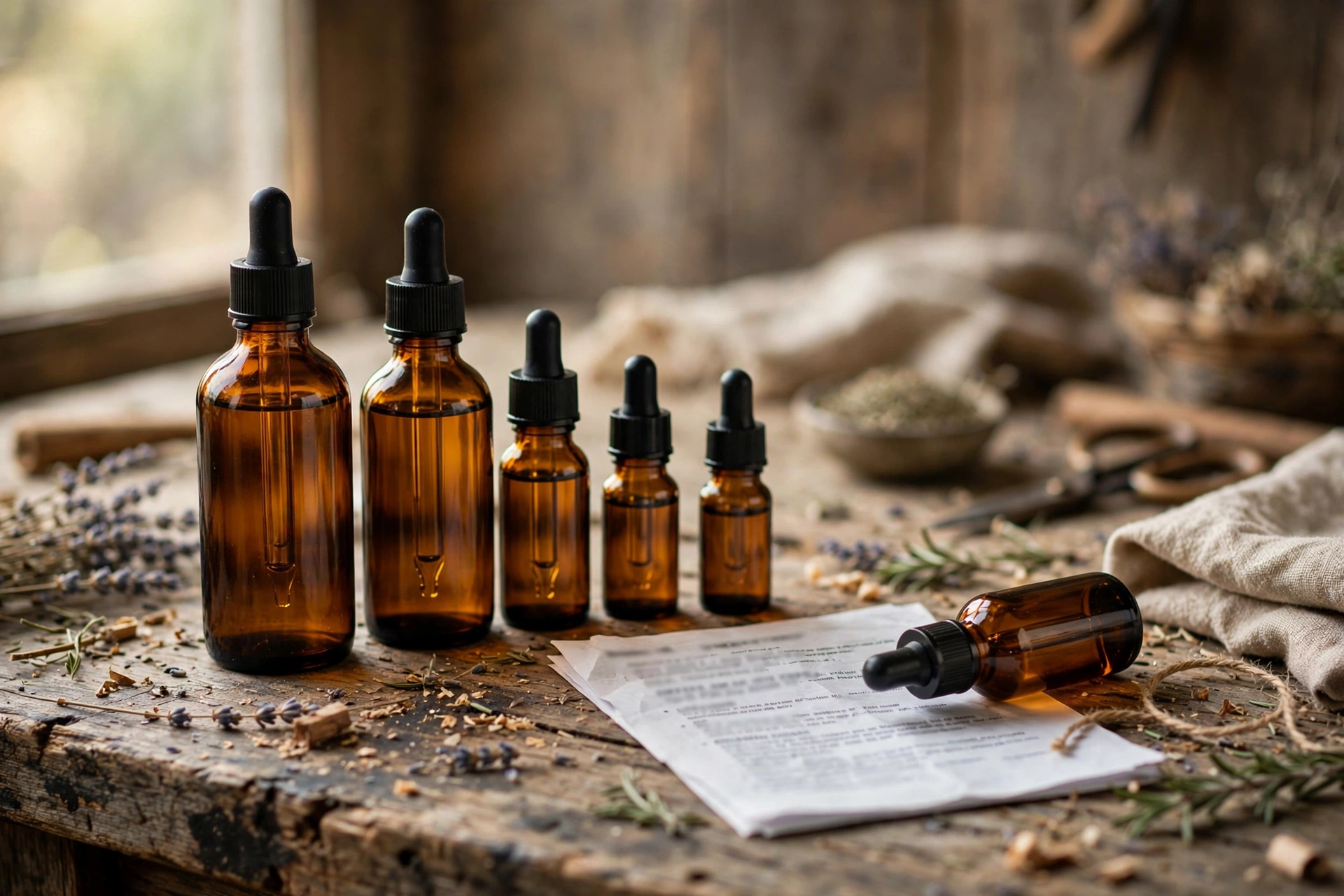
For every fragrance oil, the manufacturer issues an IFRA Certificate of Conformity — usually a one- or two-page PDF. It lists the fragrance name, the date it was assessed, which IFRA amendment it follows, and a table of product categories with the maximum allowed concentration for each.
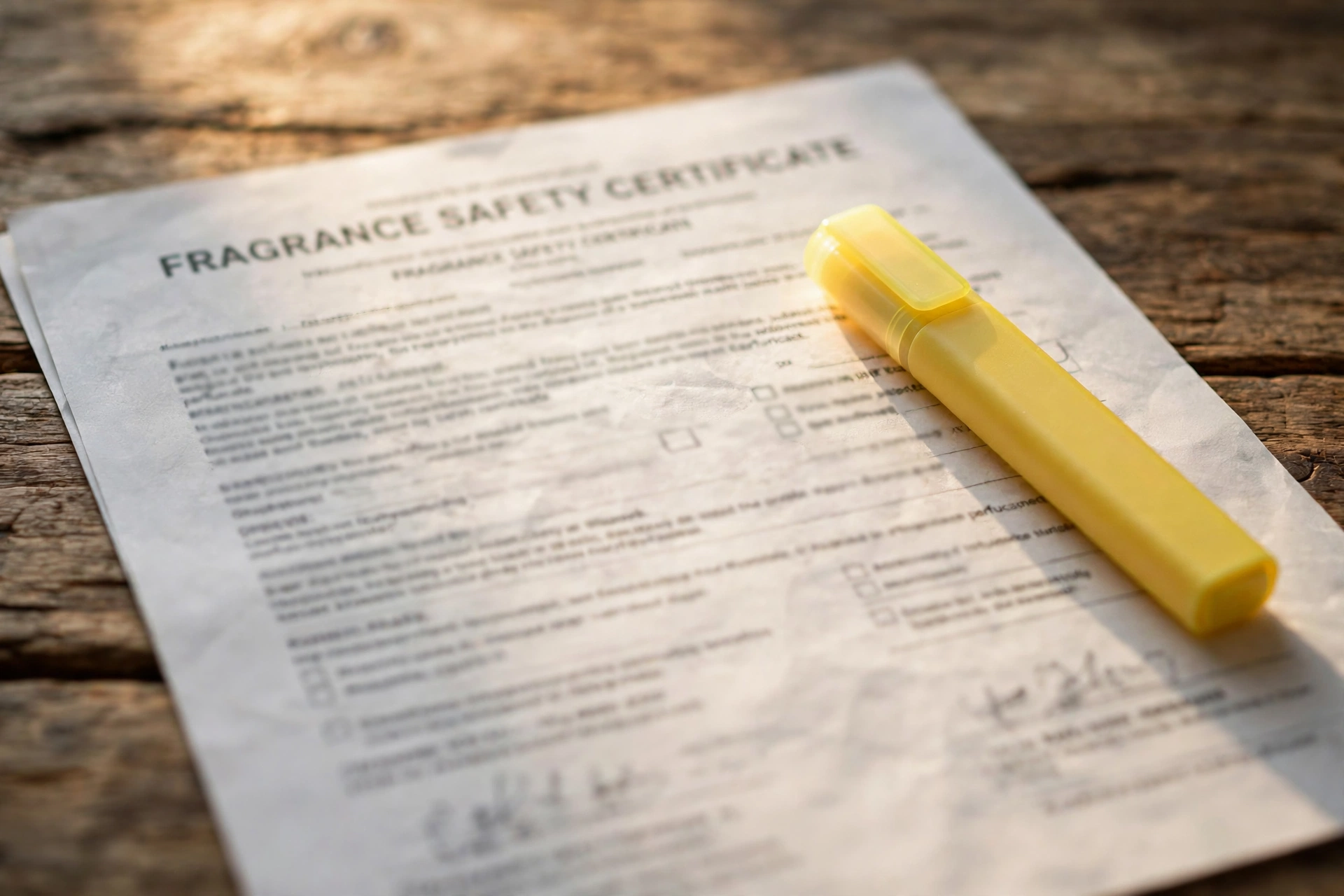
Where to get it: your supplier’s product page. Reputable suppliers publish IFRA certificates (alongside the SDS, the Safety Data Sheet) as downloadable documents on each fragrance listing. If you can’t find one, email the supplier and ask — a supplier that can’t produce an IFRA certificate for a fragrance oil is a red flag.
How to read the certificate
Every certificate follows the same logic. Walk through it in this order:

1. Confirm it’s YOUR fragrance
Check the product name on the certificate matches the exact fragrance oil you bought — not a similar-sounding one. Suppliers sometimes carry multiple versions (a “compare to” dupe vs. the original), and each has its own certificate.
2. Find the category table
Scroll to the usage table. It lists IFRA’s numbered product categories (1 through 12) with a short description of each and a maximum percentage next to it. Some categories will say “Not Approved” or “N/A” — that means the fragrance shouldn’t be used in that product type at all.

3. Find YOUR product type’s row
Match what you’re making to the category description (the key categories are listed below). The percentage in that row is the maximum amount of that specific fragrance allowed in that specific product type, measured in the finished product.
4. Check the date and amendment
Note the assessment date and which IFRA amendment the certificate follows. IFRA updates its standards periodically — when a supplier reformulates a fragrance, the limits can change. If your bottle is older than the certificate, or the supplier has updated the listing, download the current version.
The categories makers use most
IFRA’s 12 categories cover everything from lip balm to laundry detergent. As a candle and body maker, you’ll live in four of them:
| Category | What it covers | Your products |
|---|---|---|
| 12 | Products not intended for direct skin contact, with minimal or insignificant transfer to skin | Candles of all types, incense, plug-ins, reed diffusers |
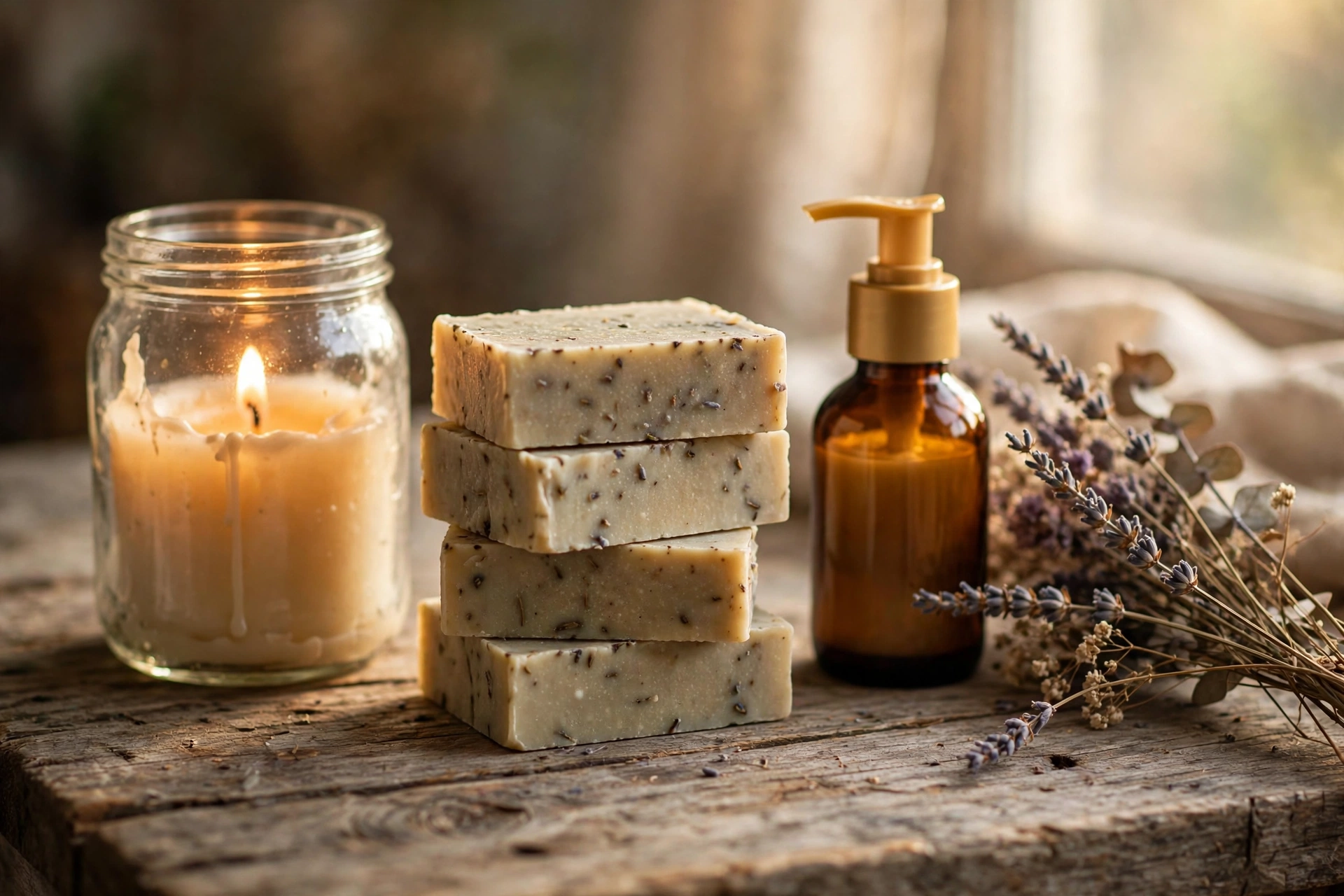
| 9 | Products with body and hand exposure, primarily rinse off | Bar soap, liquid soap, shampoo, rinse-off bath products |
| 5A | Body lotion products applied to the body using the hands | Leave-on lotions and body products — lotion, body butter, body oil |
| 10B | Household aerosol and spray products | Room and linen sprays (pump or aerosol) |
Worked example: reading a sample certificate
Let’s walk through a fictional example. Imagine your supplier’s certificate for a made-up fragrance, “Orchard Spice (sample),” shows these maximums:
- Category 12 (candles): 100%
- Category 9 (rinse-off soap): 25%
- Category 5A (leave-on lotion): 8%

Here’s what that tells you:
For candles: IFRA places no meaningful limit on this fragrance in candles — but your wax does. If your soy wax holds a maximum 10% fragrance load, then 10% is your real ceiling, not 100%. IFRA sets the safety ceiling; the wax sets the practical one. Use whichever is lower.
For cold process soap: you may use up to 25% of this fragrance in the finished soap. In practice you’d never go near that — soap recipes typically use 3–6% — so you’re comfortably inside the limit. Run the exact numbers through the soap fragrance calculator when formulating.
For lotion: 8% is your hard ceiling for this fragrance in a leave-on product. If your recipe calls for 2% fragrance, you’re fine. If a different fragrance’s certificate says 1.5% for Category 5A, that recipe would need reformulating — same lotion, different fragrance, different answer.
Common mistakes
Using the candle percentage in soap or lotion. The classic error. Category 12 limits are almost always the highest on the certificate because candles don’t touch skin. That number tells you nothing about what’s safe in soap (Category 9) or lotion (Category 5A) — always read your product’s own row.
Assuming one rate fits all fragrances. Two fragrances from the same supplier can have wildly different limits. One might allow 22% in lotion; another might cap at 2%. There is no house standard — check every fragrance, every time.
Ignoring updates. IFRA amends its standards over the years, and suppliers reformulate. A certificate you downloaded two years ago may not match the bottle on your shelf today. Re-download certificates for fragrances you buy repeatedly.
Forgetting the wax or base limit. IFRA says what’s safe; your wax or lotion base says what works. A candle fragrance at 100% IFRA still can’t exceed your wax’s max fragrance load without sweating, pooling, or poor burn.
Putting it together with the Fragrance Load Calculator
Think of it as a two-step process. Step one: the IFRA certificate gives you the maximum safe percentage for your product type. Step two: the Fragrance Load Calculator turns your chosen percentage into exact ounces and grams for your batch — and flags you if you exceed your wax’s rating. IFRA answers “how much is allowed”; the calculator answers “how much do I weigh out.”
Next steps
Pull the IFRA certificates for the three fragrances you use most and find your rows — it takes five minutes and you’ll never wonder again. Then run your usual percentages through the Fragrance Load Calculator to confirm the math. Formulating soap? The essential oils tutorial covers how EO safety thinking differs from fragrance oils.