How to Make Scoopable Wax Melts (Soft Jar Wax Melts)
Forget snapping off a hard tart — scoopable wax melts are soft, spoonable wax served in a jar. You scoop a spoonful into your warmer dish, it melts and throws scent, and when it fades you spoon in more. They look adorable on a shelf, they’re fun to use, and they’re one of the easiest products you’ll ever make. (Prefer the classic poured kind? See our classic wax melts tutorial.)
What makes them “scoopable”
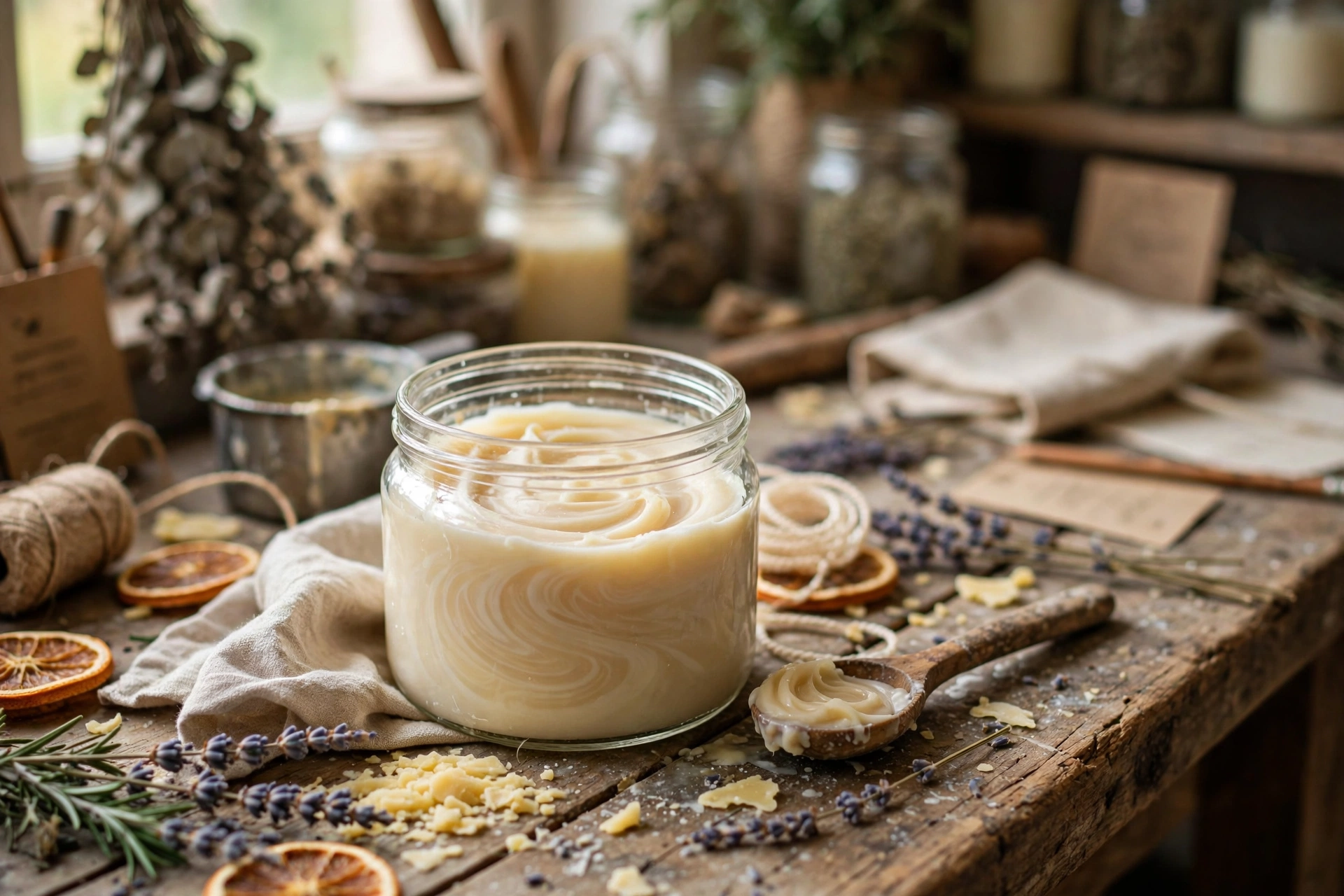
A scoopable melt is all about texture. You’re aiming for something like cookie dough or sorbet: firm enough to hold a scoop shape, soft enough to yield to a spoon. The magic comes from starting with a soft wax — a container or tart wax on the soft side — and then cooling it carefully so it sets into that spoonable texture instead of a hard block.
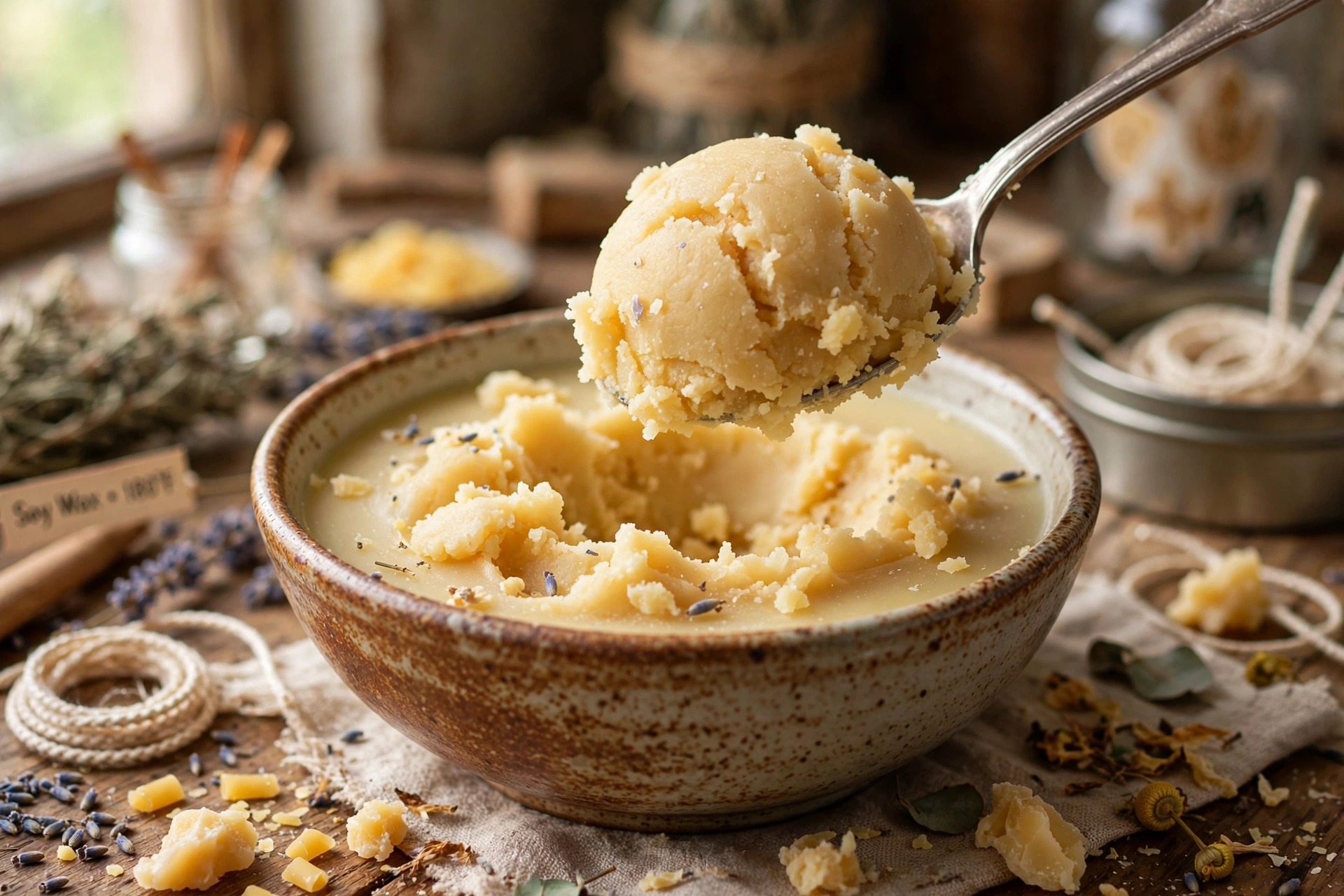
Compare that with a classic poured melt: poured firm into a mold, it snaps, clicks, and clinks. Scoopables skip the molds entirely — no popping tarts out of clamshells, no broken edges, no fiddly unmolding. If you’ve ever whipped frosting or scooped ice cream, you already know the motion.
What you’ll need
- A soft wax — a container or tart wax on the soft side, following your supplier’s guidance for scoopable use
- Fragrance oil of your choice
- Jars with lids (small mason jars or similar, 4–8 oz work well)
- Small wooden spoons or scoops — one per jar for gifting, or a couple for your own use
- Labels (scent name plus simple usage instructions)
- Pouring pitcher, stir stick, and a scale
Steps: making scoopable wax melts
1. Melt the wax fully
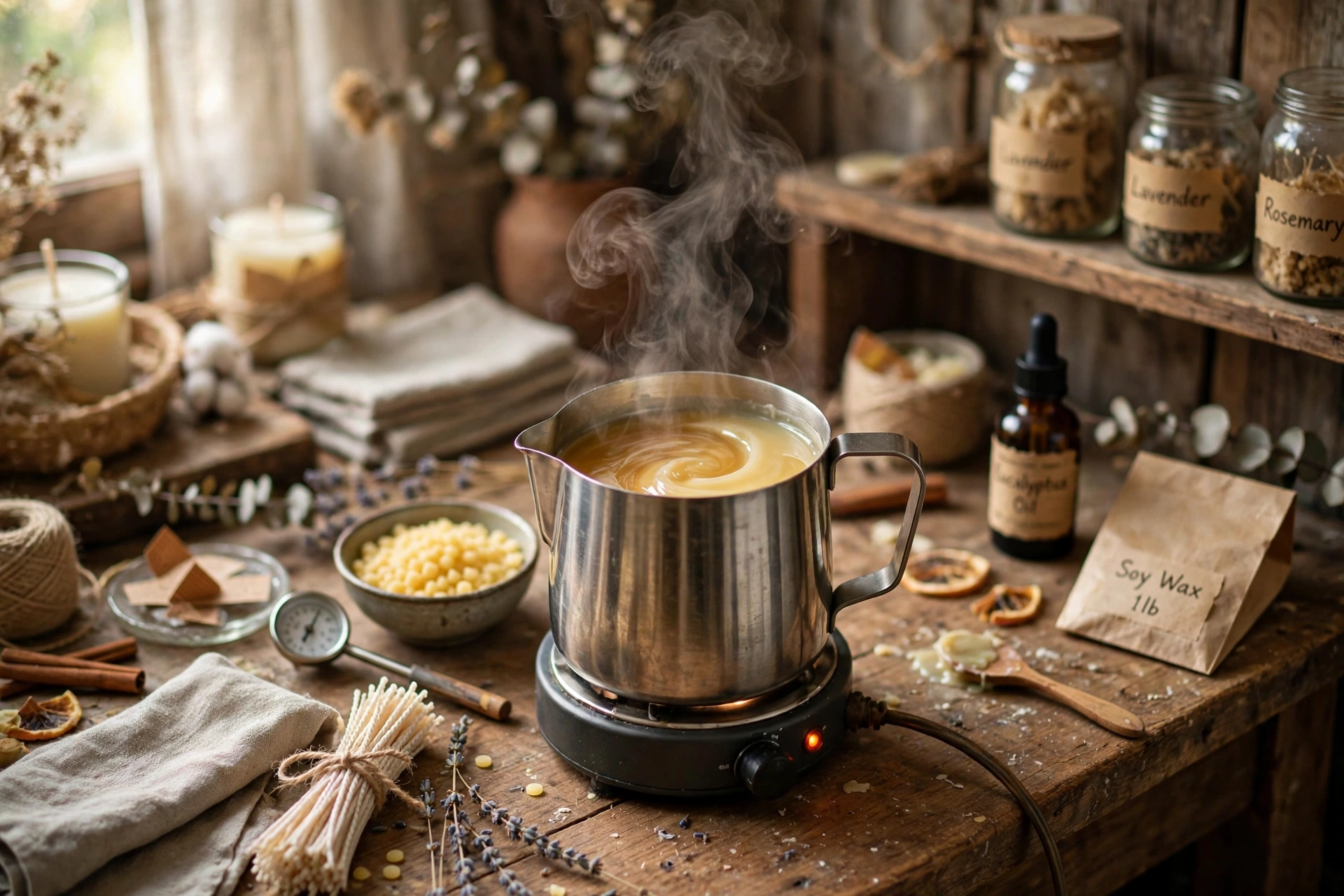
Melt your wax completely until it’s a clear, even liquid with no cloudy bits or lumps. Take it off the heat once it’s fully liquid — overheating a soft wax can change how it sets, so follow your supplier’s recommended melt range and don’t rush it with high heat.
2. Add your fragrance oil
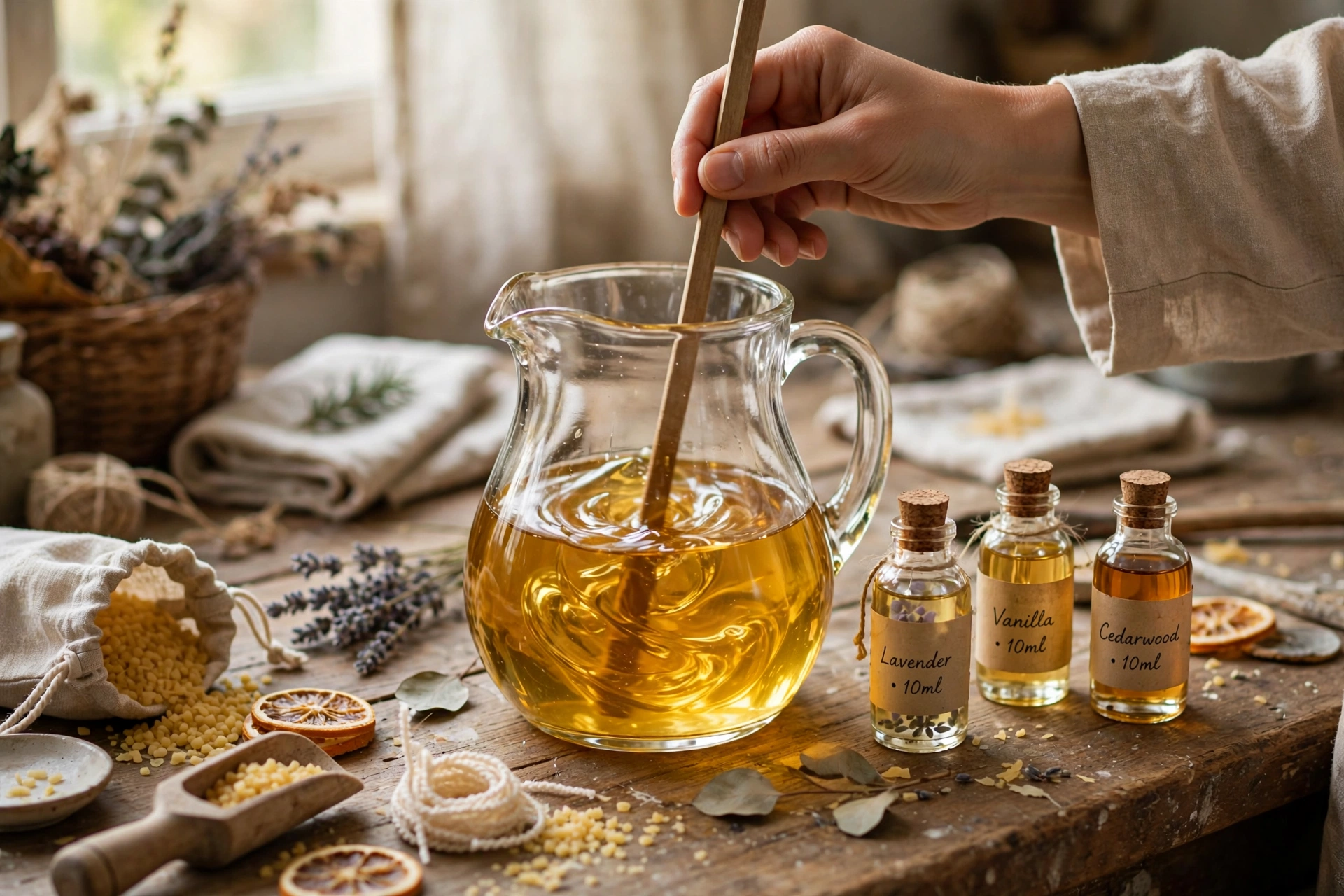
With the wax fully melted, stir in your fragrance oil. Scoopables carry scent beautifully, so use a generous load — but always stay within your wax’s rated maximum (check your supplier’s guidance; never exceed it). Stir slowly and thoroughly for a couple of minutes so the oil binds evenly into the wax instead of pooling or separating later.
3. Cool to scoopable consistency
This is the step that makes them scoopable. Let the wax cool while stirring it regularly — a few good stirs every few minutes as it cools. You’re watching for a change: the wax turns from clear and liquid to thick, cloudy, and opaque. It should look like soft-serve or thick frosting and hold a soft peak when you drag the spoon through it.
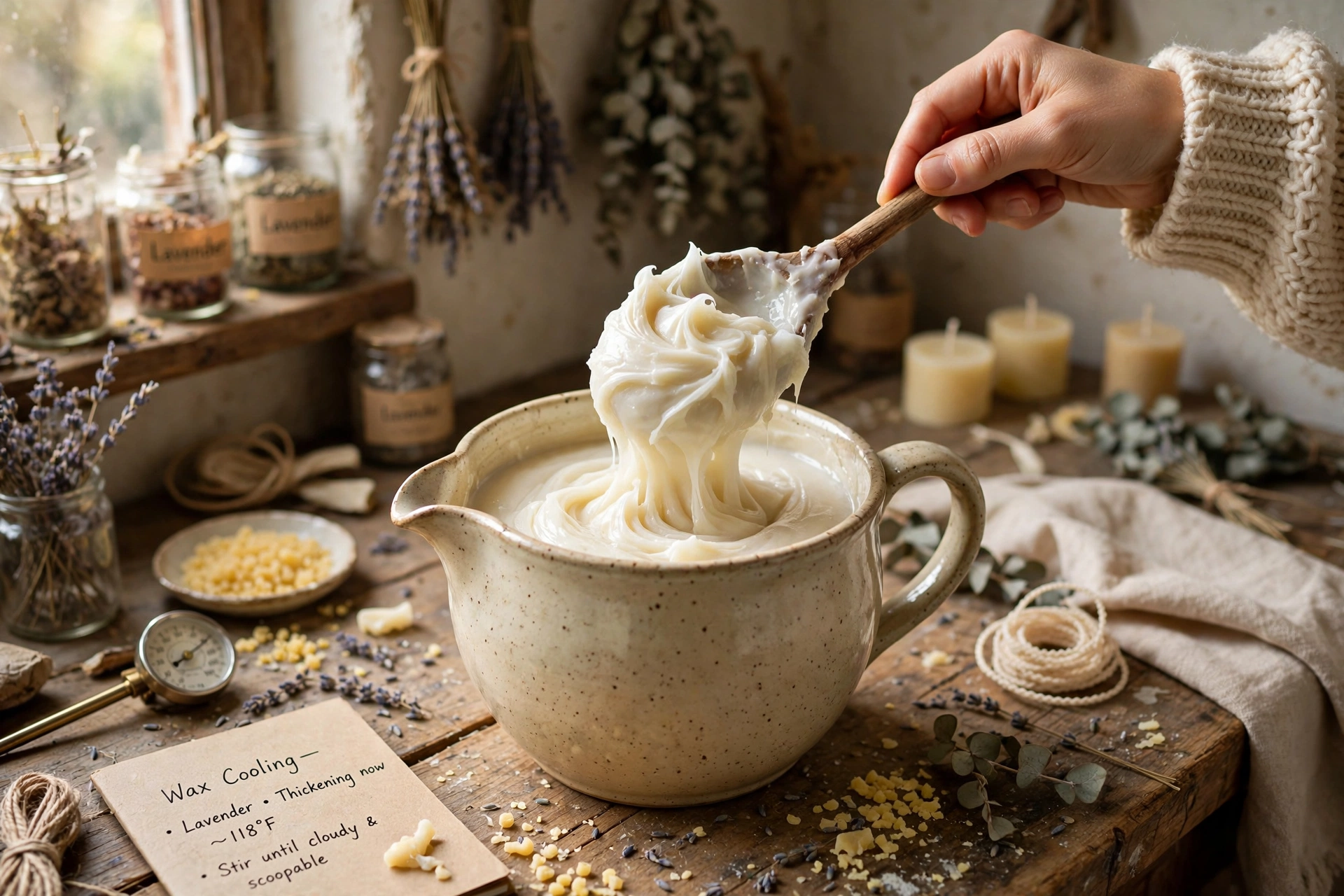
Time it right: stir too little and the wax sets in a hard layer at the edges; let it cool too far and it goes firm and crumbly. The stirring is what keeps the texture smooth and spoonable all the way through.
4. Jar it
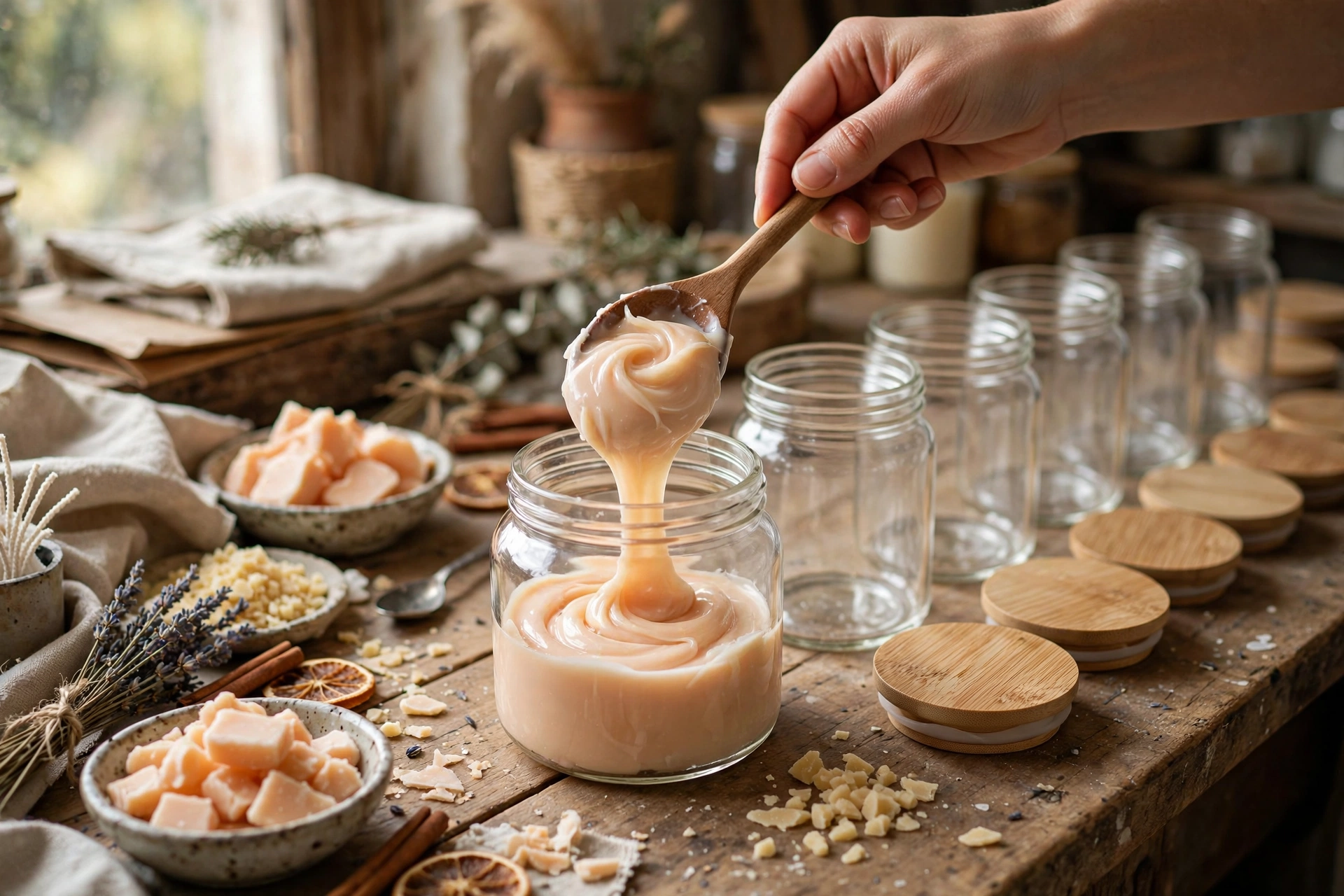
Once the wax is thick, cloudy, and spoonable, scoop or spoon it into your jars. Fill each jar and smooth or swirl the top with the back of a spoon — a little swirl looks handcrafted and takes two seconds. Don’t pack it down hard; you want to keep that light, scoopable texture. Wipe any drips from the jar rims so the lids seal cleanly.
5. Label and package
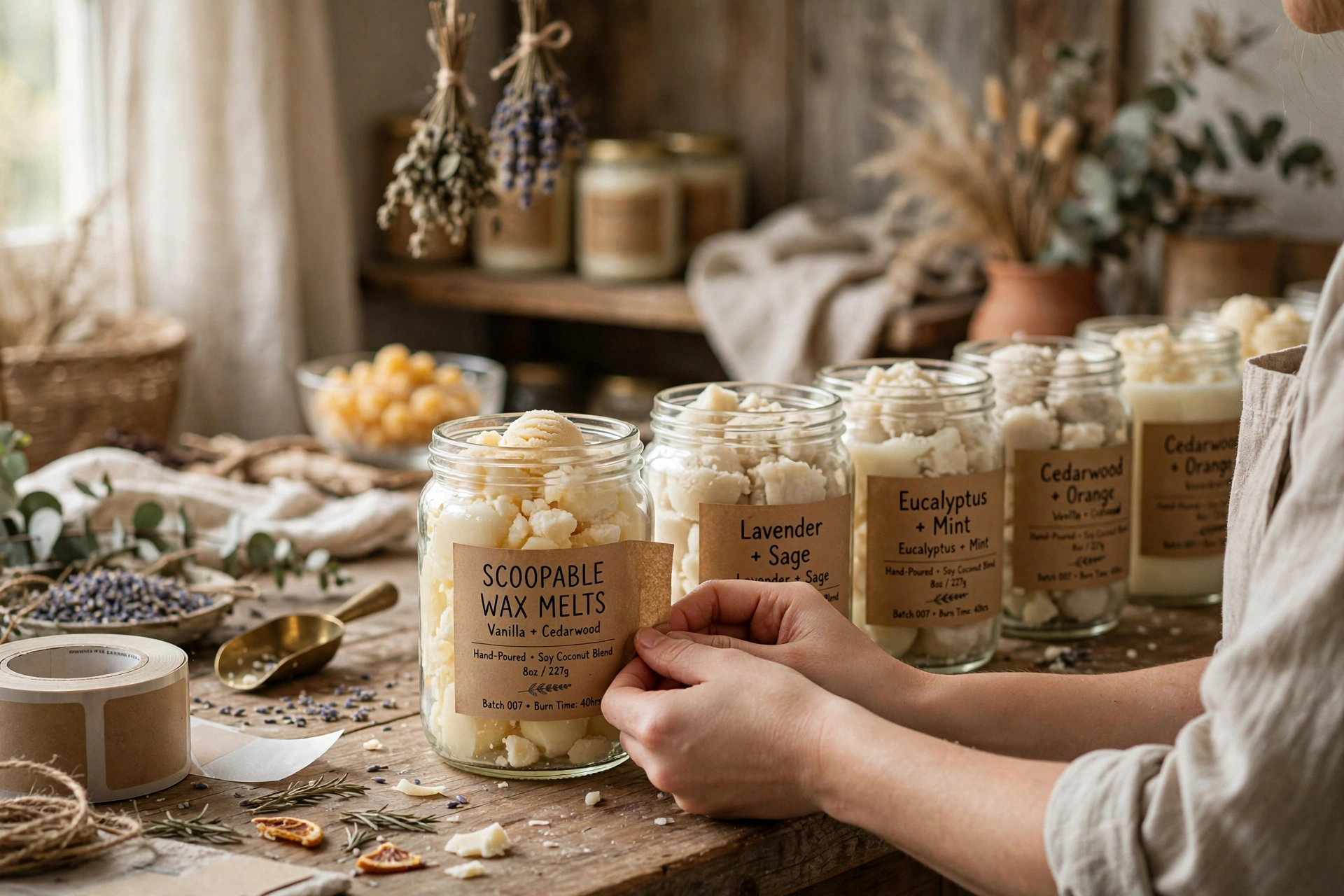
Label every jar with the scent name and simple usage instructions — something like “scoop a spoonful into your warmer dish.” Include any safety or ingredient information your local rules require. A small wooden spoon tied to the jar with twine turns a simple jar into a ready-to-gift product, and a hang tag with the scent notes adds a boutique touch.
How to use them
Using scoopable melts is the fun part: open the jar, scoop a spoonful (or two for a big room), and drop it into your warmer dish. The wax melts, the scent fills the room, and when the fragrance fades, spoon the spent wax out and add more. Because there’s no hard tart to snap, you control the strength — a little for background scent, a generous scoop for a full-throw session.
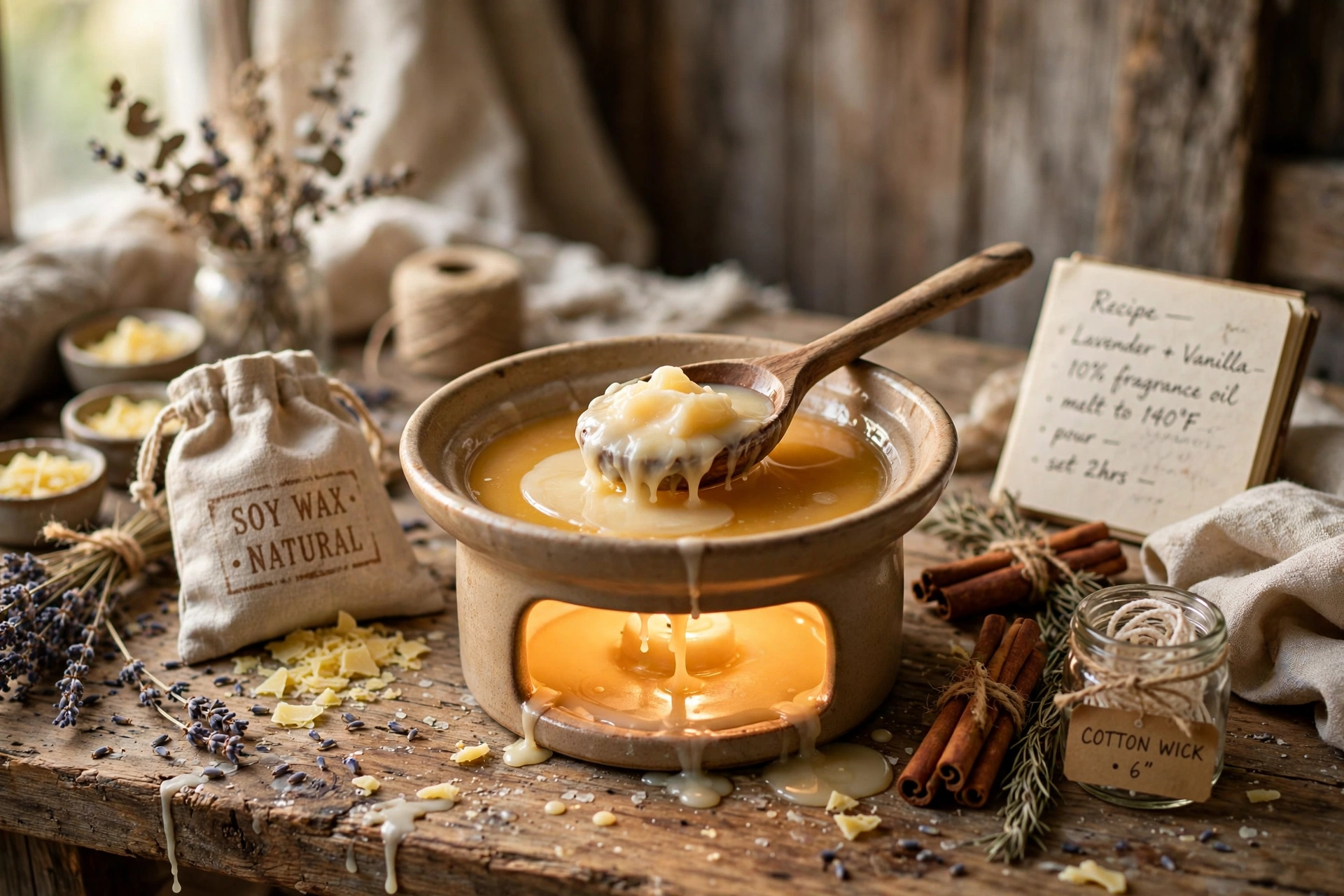
Texture cues: what “right” looks like
Just right: thick, creamy, and opaque like cookie dough or sorbet. It holds a swirl on top, yields easily to a spoon, and leaves a clean scoop mark. At room temperature it feels firm to a fingertip but gives way with light pressure.
Too hard: the surface sets firm, the spoon skips or cracks the top, and scoops come out in dry crumbles. Usually means the wax is too hard a formula, or the batch cooled too far before jarring. Fix the batch by rewarming it gently until soft, stirring, and re-jarring at the right consistency.
Too soft or oily: the wax slumps flat, won’t hold a swirl, or looks greasy on top. Usually too much fragrance oil for the wax, or a wax that’s simply too soft for this use. Next batch, reduce the fragrance load or choose a firmer wax per your supplier’s guidance — and always weigh your oil rather than eyeballing it.
Troubleshooting
Too hard to scoop? Either the wax formula is too hard for scoopables or the batch cooled too far before jarring. Rewarm it gently, stir, and jar it at the thick-and-cloudy stage. For the next batch, confirm with your supplier that the wax is suitable for soft scoopable use.
Too soft, oily, or sweating? Almost always too much fragrance oil, or a wax too soft to hold the oil. Cut back the fragrance load next batch (staying within the rated range) and weigh everything precisely. Oil pooling on top of a cooled jar is the classic sign of overload.
Weak scent in the warmer? Check three things: your fragrance load against the wax’s rated maximum, your cure time (a few days sealed in the jar makes a real difference), and your warmer’s temperature — an underpowered warmer won’t lift much scent no matter how good the melt is.
Grainy or lumpy texture? Usually from stirring too little during cooling, letting the edges set hard while the center stays liquid. Stir regularly through the whole cooling stage so the texture stays uniform.
Next steps
Scoopables are the easygoing sibling of the classic poured melt — for tarts, clamshells, and molds, see our classic wax melts tutorial. Want to get your scent strength dialed in first? The fragrance blending tutorial shows how to build and test custom scent blends before you commit a whole batch.