How to Choose the Right Wick Size for Candle-Making
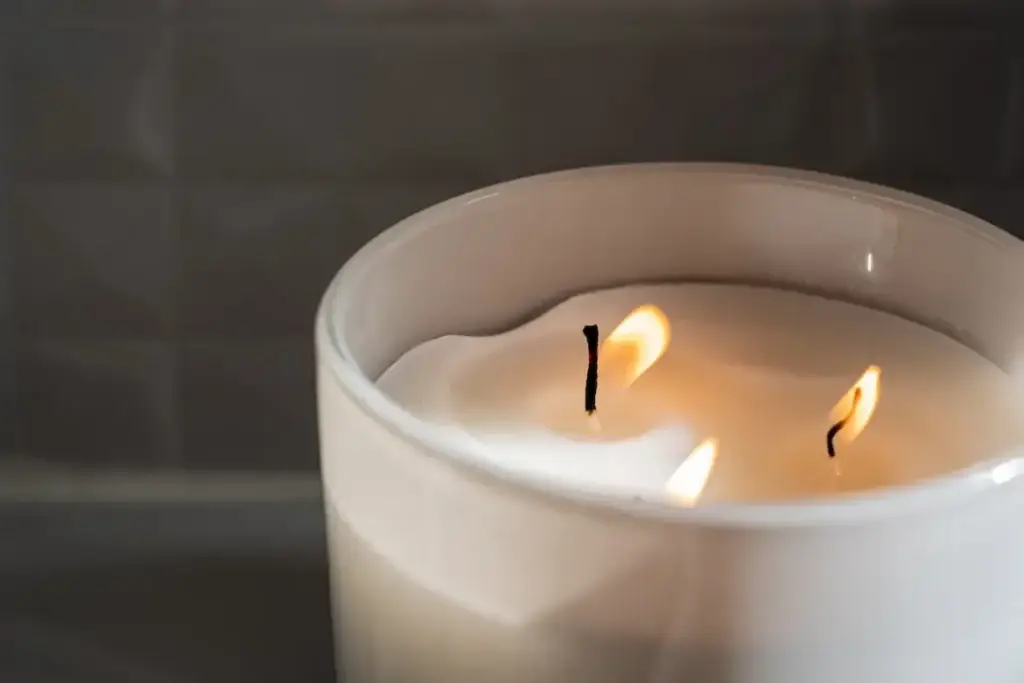
Learn the basics of selecting the correct wick size for your candles, with a focus on candle diameter, wax type, and additives.
When making candles, it’s easy to get caught up choosing colours, waxes, and fragrances. However, one of the most critical components is often overlooked: the wick.
Candle wicks play a much bigger role than simply holding a flame. Their performance is influenced by several factors, including the type of wax used, added fragrances or dyes, and the diameter of the candle itself.
To help you understand how to determine the correct wick size for your candles, we’ve created this simple guide outlining the key factors to consider.
Why Wick Size Matters
Choosing the right wick size is essential because it directly affects how efficiently the wax is drawn up into the flame.
If the wick is too small, it won’t pull enough melted wax, resulting in a weak flame and poor burn performance. On the other hand, a wick that’s too large can draw up too much wax, causing an overly hot flame that produces excess soot and smoke.
Getting the wick size right ensures a clean, steady burn and helps your candle perform as intended.
How to Choose the Right Wick Size
When working out the correct wick size for your candle, there are three main factors to take into account:
1. Measure the Candle Diameter
The first step is to measure the diameter of your candle. Use a ruler or measuring tape to measure straight across the top from one edge to the other.
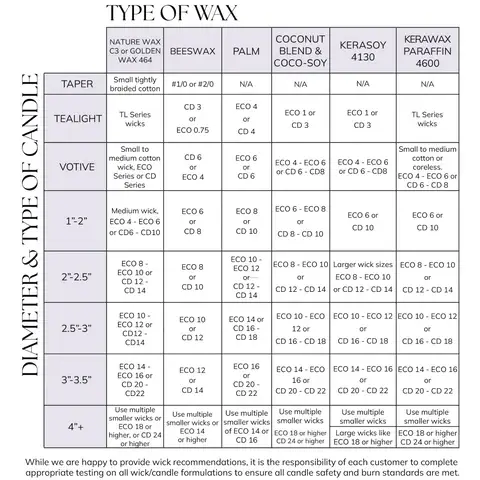
Candles with a diameter of 3.5 inches or less can usually be burned effectively with a single wick. For candles that are 4 inches or wider, multiple wicks are often a better choice, as a single thick wick may create too much heat, smoke, and soot.
2. Consider the Type of Wax
The type of wax you use plays a significant role in wick selection. Each wax has a different melting point and density, meaning it requires a specific level of heat to burn properly.
For example, beeswax is dense and sticky, so it typically works best with cotton braid wicks. These wicks curl as they burn, which helps reduce carbon buildup and promotes a cleaner flame.
3. Factor in Fragrance Oils and Dyes
Fragrance oils, essential oils, and colour dyes can all impact how a candle burns—even in unscented candles that use dye only.
Some additives can clog the wick or alter the burn rate, so it’s important to perform a test burn for every candle recipe. A wick that works well for one formulation may not work for another, making testing especially important if you plan to sell your candles.
Candle Wick Size Chart
Refer to a candle wick size chart for general recommendations based on candle diameter and wax type. These charts are a helpful starting point, but they should always be used alongside burn testing.
(View the recommended wick size chart as a PDF.)
Final Thoughts
Although candle wicks may seem simple, choosing the right one involves careful consideration. Candle diameter, wax type, and added fragrances or dyes all influence how a wick performs.
Some trial and error is inevitable, which is why burn testing is essential. Small adjustments can make a big difference, helping you create a candle that burns cleanly, evenly, and beautifully.